Digestion & Probiotics

You bought the probiotic. You are taking it every day. And somewhere between the morning rush and the bedtime wind down, a small doubt creeps in... am I even taking this thing at the right time? Search for the answer and the internet cheerfully contradicts itself, with one page insisting on an empty stomach, the next swearing by mealtime, and a third shrugging that it makes no difference.
So here is the useful version. The best time to take probiotics is not a single universal hour. It depends on what is actually in your bottle, and once you understand that, the timing question stops being confusing and becomes almost obvious.
Most advice on when to take probiotics stops at "just be consistent." Consistency matters, and we will get there, but it is not the whole answer. The organisms in a probiotic are living things, and whether they survive the trip to your gut depends on a few concrete variables you can control. This guide walks through them in plain terms, then hands you a routine matched to your formula and your goal.
What Is Probiotic Timing and Why It Matters
Timing is really a survival question. A probiotic only works if enough live organisms actually reach your intestines. CFU, the number on the label, stands for colony forming units and simply counts the living organisms in each dose. The catch is that this count is measured before the capsule ever meets your stomach, and your stomach is a deliberately hostile place.1
This is where the contradictory advice comes from. Every "take it in the morning" or "take it on an empty stomach" rule is a proxy for one underlying goal: getting the organisms past your stomach acid with as many alive as possible.2 Once you see that, the real variables come into focus, and they are not the clock on the wall. They are the type of strain in your formula and the way that formula is built. Nail those two and the exact hour becomes a detail you can bend around your life.
How Probiotics Survive the Trip Through Your Stomach
Think of stomach acid like a strong cleaning solution. Its job is to break down your food and kill off microbes that should not survive, and it cannot tell a helpful probiotic from a harmful germ. On an empty stomach, that solution is at full strength. Add a meal and it gets diluted, the way water softens a concentrated cleaner. So the same acid that would overwhelm a delicate probiotic taken on its own becomes far gentler when there is food in the mix.
The type of food matters, too. A meal with some fat buffers the acid especially well, smoothing the ride and getting your probiotic through the danger zone faster. This single mechanism sits underneath nearly all timing advice.2 It is also why the answer differs from bottle to bottle: a fragile organism needs that buffer, while a rugged one does not.
Delivery format is the other half. Many quality probiotics are freeze dried, a process that holds the organisms dormant until they reach the moist environment of the gut and wake up. Others use protective capsules or delayed release technology that shields the contents until they clear the stomach.3 A well-built formula, in other words, can do some of the survival work for you.
Why Strain Type Changes the Rules
Here is the part almost no competing article covers, and it is the one that actually settles the timing debate. Different probiotic organisms are built differently, so they follow different rules.
Standard Lactobacillus and Bifidobacterium strains are the delicate ones. These are the familiar organisms in most daily capsules, and they benefit most from the buffering that food provides.
Spore forming Bacillus strains come armored. They form a tough protective shell, much like a seed coat, that shrugs off stomach acid on its own, which is why they can be taken with or without food.4
Saccharomyces boulardii is not a bacterium at all but a beneficial yeast, and as a yeast it is naturally acid resistant. In fact, the research on meal timing found that this organism survived equally well no matter when it was taken.2,5
Enteric coated or delayed release formulas carry their own body armor, so timing matters far less regardless of the strain inside.
Use this as your quick reference.
Strain type | When to take it | Why |
Standard Lactobacillus and Bifidobacterium | With or just before a meal | Food buffers stomach acid so more organisms survive |
Spore forming Bacillus | Anytime, food optional | The natural spore shell survives stomach acid on its own |
Saccharomyces boulardii (yeast) | Anytime, food optional | Naturally acid resistant, and unaffected by meal timing in testing |
Enteric coated or delayed release | Anytime | The coating protects the organisms until they clear the stomach |
Synbiotic (probiotic plus prebiotic fiber) | With a meal | Delivers the organisms alongside the fiber that feeds them |
If you are not sure which category your product falls into, the label usually tells you: look for the strain names, the word spore or Bacillus, or a mention of delayed release or enteric coating.
Probiotics Before or After Food: What Actually Matters

This is the question most people are really asking, so let us answer it directly.
THE QUICK VERDICT
For a standard capsule of Lactobacillus and Bifidobacterium strains, take it with a meal or in the roughly 30 minute window just before you eat. The one timing to avoid is well after a meal on a stomach that has returned to full acidity. In controlled testing, organisms taken 30 minutes after eating survived in far lower numbers than those taken with or just before the meal.2
That verdict comes with useful nuance. The type of meal matters more than the exact minute. A meal with some fat buffers acid better than a splash of water or an acidic drink, so pairing your probiotic with a normal breakfast beats washing it down with black coffee on the run.2 And if your formula is spore based, yeast based, or enteric coated, you can relax about the whole before or after question, because the delivery is doing the protecting.
When Taking Probiotics With Food Helps
Food helps most when your probiotic is one of the delicate standard strains, for two reasons. First, the buffering effect that raises stomach pH and eases the passage. Second, a practical one: pairing a supplement with a meal you already eat is one of the most reliable ways to remember it.
There is a third reason that often gets overlooked, and it is the one worth dwelling on. Probiotics do not work in isolation. They need prebiotics, the specific fibers your own body cannot digest but your good bacteria feast on, essentially fertilizer for the organisms you are supporting.6 When you take your probiotic with a meal, it arrives alongside the prebiotic fibers naturally present in food, the kind found in onions, garlic, leeks, oats, slightly underripe bananas, and other plants. In practical terms, taking your probiotic with a fiber containing meal delivers the organisms and their fuel at the same time.
This is also the honest answer to a common question: are freeze dried probiotics on an empty stomach enough? Freeze drying is an excellent way to keep organisms stable and dormant until they rehydrate and wake up in the gut, so survival is not really the issue for a well-made formula.3 The catch is that surviving and thriving are two different things. Once those organisms arrive, they still need fermentable fiber to feed on, and an empty stomach offers none. So even if the probiotic reaches your gut intact, its benefit depends on prebiotics being present, whether from the food you eat with it or from a formula that includes them.
That is exactly what a synbiotic does. It combines a probiotic with the prebiotic fiber that feeds it, so the two are delivered together with no guesswork.7 A formula like UltraFlora Fiber, Prebiotic and Probiotic is built for exactly this pairing, and it is a tidy solution for anyone whose meals are not reliably rich in fiber.

UltraFlora® Fiber, Prebiotic & Probiotic
Daily 4g fiber + probiotic drink to help you stay regular and balanced
To go deeper on getting good bacteria from meals as well as capsules, our look at probiotic foods versus supplements is a good companion read.
Can You Take Probiotics With Coffee?
Coffee is where a good routine quietly goes wrong. Two things work against your probiotic here. The heat of a fresh, steaming cup can damage live organisms, since they are sensitive to high temperatures. And coffee is acidic, which is closer to the harsh empty stomach conditions your probiotic is trying to avoid than to the gentle buffering a meal provides.2
You do not have to give up your morning cup. Just create a little separation. Take your probiotic with breakfast and let the coffee cool slightly, or leave a short gap between the two. If mornings are chaotic, this is one more reason an evening dose or a rugged, coffee proof formula might suit you better.
Probiotics in the Morning or at Night: Which Is Better?
Once survival is handled by strain type and food, the morning versus night choice is more about your body's rhythm and your habits than any dramatic difference in results.
There is a reasonable case for evenings, and it rests on how your gut behaves overnight. Once you are asleep, your digestive system shifts into a slower, rest and repair mode, and that reduced motility means whatever you took has more time to settle and interact with your gut lining before the morning gets everything moving again. Your gut bacteria also keep their own daily clock, with their makeup and activity shifting across the sleep and wake cycle, so an evening dose lands as that rhythm quiets down.8
There is a second reason some people choose nighttime: certain strains have been studied specifically for stress and sleep through the gut brain axis. In one randomized controlled trial, a Lactobacillus strain taken daily improved sleep quality and lowered a marker of the stress hormone cortisol compared with placebo.9
It is worth being honest that head-to-head studies comparing a morning dose against a bedtime dose are limited, so this is sound reasoning rather than a settled verdict. If your goal leans toward relaxation and rest, though, evening is a sensible choice.
There is an equally good case for mornings, and it is refreshingly simple: most people find it easier to build a lasting habit at the start of the day, anchored to breakfast. The best time of day to take probiotics is, in large part, the time you will genuinely remember. Whichever you choose, pick one and hold it, since a consistent time helps the most.
Match Your Timing to Your Goal
Most people do not take a probiotic in the abstract. They take it for a reason, and the reason can shape the routine. Here is how to line up timing with common goals.
Your goal | A simple routine | Where to look |
Everyday digestion and balance | Daily, with your main meal that contains some fat | A foundational daily formula |
Regularity and less bloating | Daily with food, paired with fiber | A synbiotic with prebiotic fiber |
Broad daily and immune support | Daily at a consistent time, with a meal | A multi strain daily formula |
Women's urogenital and gut health | Daily at a consistent time | A women's specific formula |
Recovery after antibiotics | Space it a few hours from your antibiotic dose | Acid resistant strains like yeast or spore formers |
A few notes on that map. For everyday digestion, a steady foundational probiotic such as UltraFlora Balance taken with your largest meal is a sensible default, since those good bacteria help produce short chain fatty acids, or SCFA, the compounds that fuel the cells lining your colon.10

UltraFlora® Balance Probiotic
Helps keep your gut balanced with 15 billion CFUs in each capsule*
For broad daily and immune support, a multi strain option like UltraFlora Complete fits, which matters given that roughly seventy percent of your immune tissue lives in and around the gut.11

UltraFlora® Complete Probiotic
Our most comprehensive probiotic: complete gut, immune, skin health, and more*
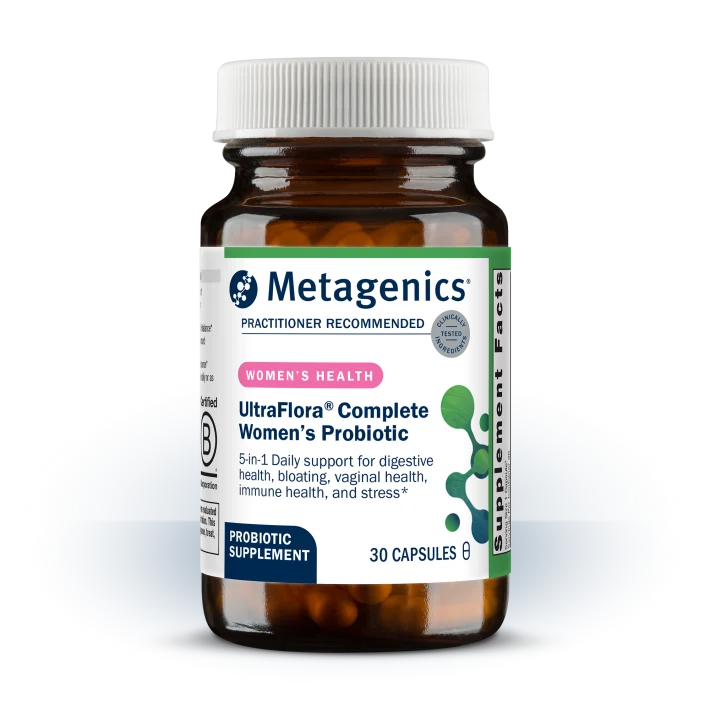
For women's health, a targeted formula such as UltraFlora Complete Women's supports urogenital and digestive health together.

UltraFlora® Complete Women's Probiotic
5-in-1 Women’s Probiotic for Vaginal & Urinary Health, Gut Balance, Immune Support & Emotional Wellbeing
The theme across every row is the same: timing bends to the strain and the goal, not the other way around. For the habits that surround a good probiotic, our guide to proven ways to boost gut health is a strong companion, and if you are curious how far the benefits reach, the gut and skin axis is a fascinating place to start.
Building a Probiotic Routine You'll Actually Stick To

A probiotic works best with the same quiet consistency, because most strains do not permanently move into your gut. They pass through, doing their work while present, which is exactly why a daily habit matters more than any single perfectly timed dose.12
The trick is to anchor the new habit to an old one. Set the bottle next to your coffee maker, your breakfast plate, or your toothbrush, so taking it becomes part of a routine you already run on autopilot. Attach it to a meal, both for the acid buffering and for the reminder, and you have covered the two things that matter most in one move.
What to Expect in the First Few Weeks
Set honest expectations and you are far less likely to quit early. For acute situations, such as steadying digestion during travel or after a course of antibiotics, a well-matched probiotic can offer support within a few days. For everyday goals like steadier regularity or less bloating, give it two to four weeks of consistent daily use before you judge it.13 Deeper shifts in the overall balance of your gut are measured in months, not days. None of this is a reason for impatience. It is a reason to keep going.
What to Do if You Miss a Dose
Miss a day and nothing unravels. Simply take your next dose at the usual time and carry on. Do not double up to make up for it, since more organisms at once will not accelerate the benefit, and a very large single dose is more likely to cause temporary gas than to help. Consistency over weeks is what counts, and one missed day is a rounding error against that.
Key Takeaway on Timing
The best time to take probiotics comes down to a short checklist, not a magic hour. Identify your strain type, because that alone tells you whether food is required or optional. For a standard Lactobacillus or Bifidobacterium capsule, take it with a meal or just before one, ideally a meal with a little fat, and keep it away from hot coffee. For a spore based, yeast based, or enteric coated formula, take it whenever you will remember. Then match the routine to your goal, anchor it to a habit, and give it a few weeks. That is a routine you can actually keep, which is the only timing strategy that truly works.
Best Time To Take Probiotic Frequently Asked Questions
It depends on your goal. Acute support, such as calming travel related digestive upset, can show up within a few days, while everyday improvements in regularity and comfort usually take two to four weeks of consistent daily use.13 Broader shifts in gut balance unfold over months. Consistency is what moves the timeline, not a higher dose.
Yes. Nighttime is a perfectly good option, and the slower overnight gut may even give organisms a little extra residence time.8 The main thing is to take a standard capsule with a small snack or meal for acid buffering, and to pick a time you will keep. A morning or night probiotic both work when the routine is consistent.
For standard Lactobacillus and Bifidobacterium capsules, yes. Taking them with or just before a meal, especially one with some fat, helps more organisms survive stomach acid.2 For spore forming, yeast based, or enteric coated formulas, food is optional because the delivery protects the organisms on its own.
Because most probiotics support your gut only while you are taking them, they are generally meant for ongoing daily use rather than a short course.12 Think of a probiotic as a maintenance habit, like flossing, that you keep up for as long as you want the support it provides. Your practitioner can help you decide what fits your situation.
Want more on the science behind daily gut care? Explore Metagenics doctor recommended gut health supplements, browse the full digestion and probiotic collection, or read more on probiotics for gut health and beyond.
References
1. Hill C, Guarner F, Reid G, et al. Expert consensus document: The International Scientific Association for Probiotics and Prebiotics consensus statement on the scope and appropriate use of the term probiotic. Nat Rev Gastroenterol Hepatol. 2014;11(8):506-514.
2. Tompkins TA, Mainville I, Arcand Y. The impact of meals on a probiotic during transit through a model of the human upper gastrointestinal tract. Benef Microbes. 2011;2(4):295-303.
3. Fenster K, Freeburg B, Hollard C, Wong C, Ronhave Laursen R, Ouwehand AC. The production and delivery of probiotics: a review of a practical approach. Microorganisms. 2019;7(3):83.
4. Cutting SM. Bacillus probiotics. Food Microbiol. 2011;28(2):214-220.
5. McFarland LV. Systematic review and meta-analysis of Saccharomyces boulardii in adult patients. World J Gastroenterol. 2010;16(18):2202-2222.
6. Gibson GR, Hutkins R, Sanders ME, et al. Expert consensus document: The International Scientific Association for Probiotics and Prebiotics (ISAPP) consensus statement on the definition and scope of prebiotics. Nat Rev Gastroenterol Hepatol. 2017;14(8):491-502.
7. Swanson KS, Gibson GR, Hutkins R, et al. The International Scientific Association for Probiotics and Prebiotics (ISAPP) consensus statement on the definition and scope of synbiotics. Nat Rev Gastroenterol Hepatol. 2020;17(11):687-701.
8. Thaiss CA, Zeevi D, Levy M, et al. Transkingdom control of microbiota diurnal oscillations promotes metabolic homeostasis. Cell. 2014;159(3):514-529.
9. Nishida K, Sawada D, Kuwano Y, Tanaka H, Rokutan K. Health benefits of Lactobacillus gasseri CP2305 tablets in young adults exposed to chronic stress: a randomized, double-blind, placebo-controlled study. Nutrients. 2019;11(8):1859.
10. Koh A, De Vadder F, Kovatcheva-Datchary P, Backhed F. From dietary fiber to host physiology: short-chain fatty acids as key bacterial metabolites. Cell. 2016;165(6):1332-1345.
11. Vighi G, Marcucci F, Sensi L, Di Cara G, Frati F. Allergy and the gastrointestinal system. Clin Exp Immunol. 2008;153(suppl 1):3-6.
12. Zmora N, Zilberman-Schapira G, Suez J, et al. Personalized gut mucosal colonization resistance to empiric probiotics is associated with unique host and microbiome features. Cell. 2018;174(6):1388-1405.
13. Sanders ME, Merenstein DJ, Reid G, Gibson GR, Rastall RA. Probiotics and prebiotics in intestinal health and disease: from biology to the clinic. Nat Rev Gastroenterol Hepatol. 2019;16(10):605-616.

About the Author
Dr. Malisa M. Carullo, ND, MSc
Naturopathic Doctor
Dr. Carullo serves as Senior Manager of Medical Information and Safety at Metagenics, where she supports clinical education, product safety, and evidence-based practitioner guidance across North America.
She holds a Doctorate in Naturopathic Medicine and a Master of Science in Biology, with a focus on chronic disease care, healthy aging, and evidence-based approaches to long-term wellness. Dr. Carullo is dedicated to empowering both practitioners and patients through clear, research-informed education that bridges science and everyday health decisions.
Probiotic Supplements
UltraFlora® Complete Probiotic
Our most comprehensive probiotic: complete gut, immune, skin health, and more*
4.6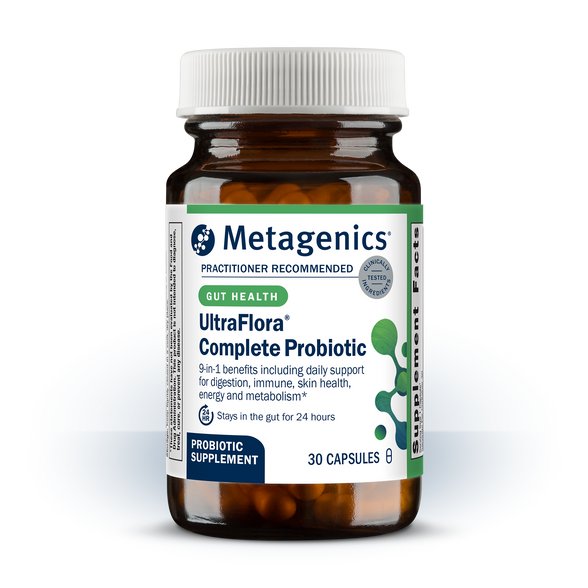
UltraFlora® Complete Women's Probiotic
5-in-1 Women’s Probiotic for Vaginal & Urinary Health, Gut Balance, Immune Support & Emotional Wellbeing
4.5UltraFlora® Balance Probiotic
Helps keep your gut balanced with 15 billion CFUs in each capsule*
4.7UltraFlora® 3-in-1 Daily Probiotic
Synbiotic (probiotics + prebiotic) for gut and immune health
4.5UltraFlora® Spectrum Probiotic
Broad-spectrum probiotic for upper and lower GI support, digestive comfort, and immunity
4.7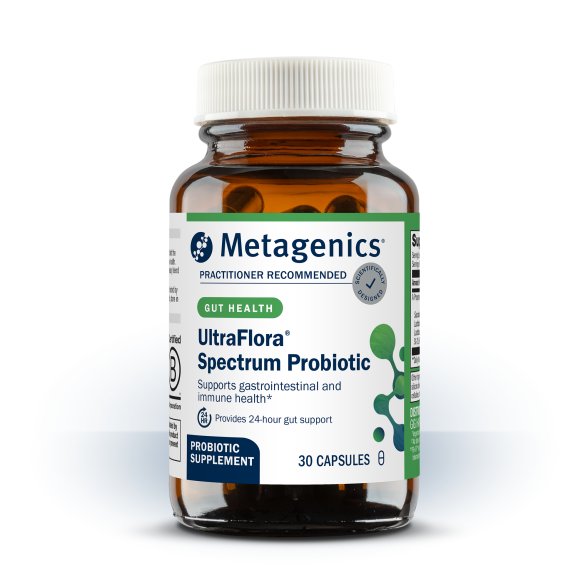
UltraFlora® Fiber, Prebiotic & Probiotic
Daily 4g fiber + probiotic drink to help you stay regular and balanced
4.3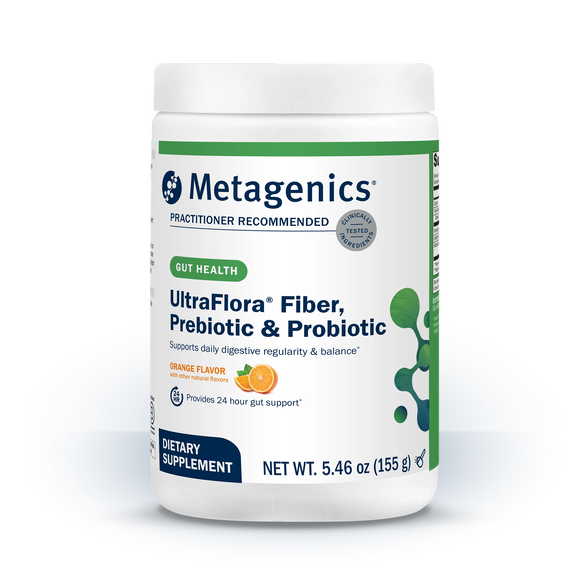
UltraFlora® Acute Care Probiotic
Relieves occasional diarrhea and acute bowel distress*
3.7