Weight Management

The popularity of GLP-1 medications has sparked interest in the naturally occurring hormone itself and the role it plays in appetite and metabolic health. Long before GLP-1 became a household term, researchers were studying how nutrients, eating patterns, and other lifestyle factors influence its release.
Today, many people want to know whether they can support GLP-1 naturally. While certain dietary and lifestyle strategies may influence endogenous GLP-1 secretion, it's important to recognize that physiological GLP-1 responses and pharmacologic GLP-1 therapy operate on very different scales.
Naturally produced GLP-1 is released in relatively small amounts and is rapidly broken down, while GLP-1 medications are designed to produce a much stronger and longer-lasting effect. Still, many of the factors that influence natural GLP-1 release are the same evidence-based nutrition and lifestyle habits recommended to support appetite regulation, blood sugar control, and overall metabolic health.
What Is GLP-1, and Does Your Body Make It Naturally?
GLP-1, short for glucagon-like peptide-1, is an incretin hormone released by the digestive system when nutrients enter the gut. Specialized intestinal cells called L-cells produce GLP-1 in response to food, including protein, carbohydrate, certain fats, and compounds generated when gut bacteria ferment fiber.¹
Once released, GLP-1 helps coordinate several physiological responses after a meal:
Supports appetite regulation. GLP-1 contributes to the signaling between the gut and brain involved in satiety and fullness.
Slows stomach emptying. Food leaves the stomach more gradually, which can influence digestion and postmeal blood glucose responses.
Supports insulin release. When blood glucose is elevated, GLP-1 helps stimulate insulin secretion from the pancreas.
Reduces glucagon. GLP-1 helps suppress glucagon, decreasing the amount of glucose released by the liver.
Another incretin hormone, GIP (glucose-dependent insulinotropic polypeptide), is also released after eating and works alongside GLP-1 to help regulate insulin and nutrient metabolism.
Unlike GLP-1 medications, naturally produced GLP-1 has a very short lifespan. Its half-life is only about one to two minutes before an enzyme called DPP-4 (dipeptidyl peptidase-4) rapidly breaks it down.²˒³ GLP-1 receptor agonists are designed to resist this breakdown and remain active much longer.
This means a meal can stimulate GLP-1 release, but the effect is temporary and reflects normal physiology.
10 Ways to Support GLP-1 Naturally With Food and Daily Habits

1. Eat More Fermentable Fiber
One of the strongest connections between nutrition, the gut microbiome, and GLP-1 involves fermentable fiber. When certain fibers reach the colon, gut bacteria ferment them into compounds called short-chain fatty acids (SCFAs), including acetate, propionate, and butyrate. These compounds can interact with intestinal L-cells and may help stimulate GLP-1 secretion.¹
Human studies show that responses vary based on the type of fiber, dose, and study population, so it's more useful to focus on an overall fiber-rich eating pattern than a single "best" fiber. Beans, lentils, oats, barley, fruits, vegetables, nuts, seeds, and resistant starch are all good sources. If your fiber intake is low, increase it gradually and drink adequate fluids.

MetaFiber®
Fiber targeted to support GI regularity*
2. Build Meals Around Protein
Protein is a potent stimulus for the release of several gut hormones, including GLP-1. During digestion, amino acids and peptides help trigger signals involved in appetite regulation and metabolic control.¹
Protein also promotes satiety through multiple mechanisms beyond GLP-1, helping meals feel more satisfying. Aim to include a quality protein source at meals, such as eggs, Greek yogurt, cottage cheese, fish, poultry, tofu, tempeh, beans, or lentils.

UltraMeal Advanced Protein®
Support for the nutritional management of sarcopenia
3. Include Sources of Omega-3 and Other Unsaturated Fats
Research suggests that certain unsaturated fats may influence gut hormone signaling, including GLP-1. Foods such as olive oil, avocado, nuts, seeds, and fatty fish provide monounsaturated and polyunsaturated fats, including the omega-3 fatty acids EPA and DHA found in salmon, sardines, and trout.¹
These foods are already widely recommended as part of a heart-healthy eating pattern and may provide additional benefits through effects on appetite and metabolic signaling. If fatty fish isn't a regular part of your diet, learn what to look for when choosing an omega-3 supplement.

OmegaGenics® 5-in-1 Fish Oil 1000 mg EPA-DHA
5-in-1 omega-3 fish oil supplement for heart, brain, eye, immune and joint health*
4. Feed Your Gut With Fermented Foods and Prebiotic Foods
The gut microbiome plays an important role in GLP-1 signaling. When gut bacteria ferment certain carbohydrates, they produce short-chain fatty acids that can interact with intestinal cells involved in GLP-1 release. This is one reason a diverse, fiber-rich diet is a cornerstone of any gut health reset and is often recommended for metabolic health.
Fermented foods such as yogurt, kefir, kimchi, sauerkraut, and miso can contribute beneficial microbes and fermentation products to the diet. Probiotic and synbiotic supplements are also being studied for metabolic health, although results vary by strain, dose, and population studied.

UltraFlora® Fiber, Prebiotic & Probiotic
Daily 4g fiber + probiotic drink to help you stay regular and balanced
5. Get Polyphenols From Food, Herbs, and Spices
Polyphenols are naturally occurring compounds found in berries, cocoa, tea, coffee, herbs, spices, and many colorful plant foods. Early research suggests that some polyphenols may influence GLP-1 secretion and other metabolic pathways. Curcumin from turmeric and catechins in green tea are among the most studied examples, although human evidence remains limited and inconsistent.¹⁰˒¹¹
Even without a clear GLP-1 effect, polyphenol-rich foods contribute fiber, micronutrients, and other beneficial plant compounds. That's one more reason to build meals around a variety of plant foods.

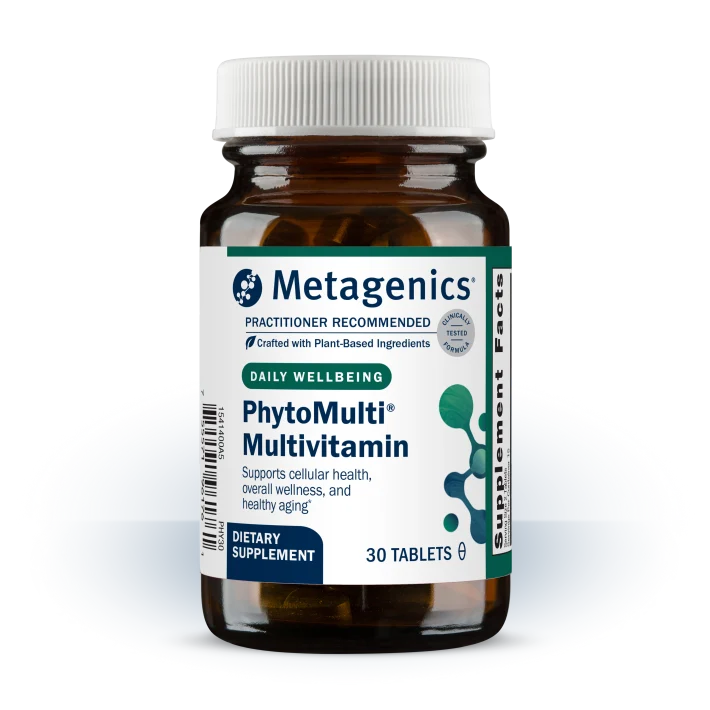
PhytoMulti® Multivitamin
Science-backed multivitamin for daily cellular health and overall wellness*

PhytoMulti® Multivitamin Capsules
Plant-based daily multivitamin for energy, brain, and immune support
6. Eat Protein and Vegetables Before Carbohydrates
The order in which you eat a meal may influence your postmeal blood sugar response. Studies have found that eating vegetables and protein before carbohydrates can result in a smaller rise in blood glucose compared with eating carbohydrates first.⁴˒⁵ Some research also suggests effects on gastric emptying and incretin hormones.⁶
A simple approach is to eat vegetables and protein first, then starches or sweets later in the meal. You're eating the same foods, just in a different order.
7. Slow Down at Meals
Eating pace can influence how fullness develops during a meal. Digestion and satiety signals take time, and eating quickly may make it easier to consume more food before those signals have a chance to register.
Evidence that slower eating directly increases GLP-1 is limited, but taking more time with meals may help you better recognize natural hunger and fullness cues. Simple strategies include eating without distractions, pausing between bites, or extending the length of a meal.
8. Keep Your Eating Pattern Fairly Consistent
The digestive system operates within a circadian rhythm that helps coordinate hormones, digestion, metabolism, and sleep. While evidence that meal timing directly increases GLP-1 is limited, maintaining a relatively consistent eating pattern may support appetite regulation and metabolic health.
For many people, consistency simply means avoiding long stretches without eating that lead to excessive hunger and make food choices harder to manage.
9. Move Regularly
Physical activity influences glucose metabolism, insulin sensitivity, appetite regulation, and numerous hormones. Researchers have also examined the relationship between exercise and GLP-1, although findings have been mixed, with some studies reporting increases and others showing more variable responses.⁷˒⁸
Regardless of its direct effects on GLP-1, regular physical activity supports metabolic health through multiple pathways. Aerobic exercise, resistance training, and simply walking more throughout the day can all contribute to those benefits.
10. Prioritize Sleep and Manage Stress
Sleep plays an important role in metabolic health, influencing glucose regulation, insulin sensitivity, appetite, food preferences, and potentially GLP-1 secretion.⁹ While researchers are still working to understand these relationships, consistently getting enough sleep supports many of the same systems involved in appetite and weight regulation.
Stress deserves similar attention. Chronic stress can affect sleep, appetite, food choices, and overall metabolic health. Prioritizing good sleep habits and stress management may not dramatically increase GLP-1, but both support the broader physiological systems involved in metabolic health.

MagActive® Magnesium Night Powder
Melatonin-free magnesium powder with saffron for deeper, restful sleep*
Do GLP-1 Supplements Work?
There is currently no over-the-counter supplement that can reproduce the effects of a prescription GLP-1 receptor agonist. However, some ingredients marketed for "GLP-1 support" have plausible mechanisms of action or early research suggesting potential metabolic benefits.
The challenge is that evidence for many of these ingredients remains preliminary, and claims often outpace the science. Here's what current research suggests about several commonly discussed options.
Ingredient | What studies suggest | How strong is the evidence? | Ask a healthcare professional first if… |
Has been studied for glucose and lipid metabolism, with laboratory research suggesting several possible mechanisms involving the gut and metabolic signaling. Direct evidence that it meaningfully raises GLP-1 in humans is limited. | Emerging | You take glucose-lowering medications, anticoagulants, or other prescription medications; you are pregnant or breastfeeding. | |
Psyllium / soluble fiber | Can improve satiety and postmeal glucose responses, but individual fibers do not consistently increase circulating GLP-1. Different fibers behave differently in the gut. | Moderate for fiber’s metabolic benefits; limited for GLP-1 specifically | You have swallowing problems, gastrointestinal narrowing, or take medications whose absorption could be affected by fiber timing. |
Probiotics / synbiotics | May influence gut microbial activity and production of metabolites connected with gut-hormone signaling. Human findings vary substantially by strain and formulation. | Early to moderate, depending on outcome | You are severely immunocompromised or have a complex medical condition. |
Curcumin | Laboratory and small human studies suggest potential effects on GLP-1 secretion and glucose metabolism. | Early | You use blood thinners or have gallbladder or medication-interaction concerns. |
Ginseng | Has been studied for glucose metabolism, but evidence supporting a meaningful GLP-1 effect in humans is limited. | Early | You take glucose-lowering drugs, anticoagulants, or medications that may interact with herbal products. |
Green tea extract | Some human research has reported changes in GLP-1 or insulin sensitivity, but findings are inconsistent. Concentrated extracts are different from drinking green tea. | Early | You have liver disease, take interacting medications, or are sensitive to caffeine. |
Bitter gourd / bitter melon | Has been studied primarily for glucose metabolism. Evidence for a clinically meaningful GLP-1 effect in humans remains limited. | Early | You use glucose-lowering medications or have a medical condition requiring glucose monitoring. |
If a supplement promises "Ozempic-like" effects naturally, skepticism is warranted. A more useful question is whether an ingredient has evidence for a specific health outcome, at a studied dose, in people similar to you. If you're exploring options, browse our weight management supplements and review them with your healthcare professional.
If You Already Take a GLP-1 Medication
GLP-1 medications can substantially reduce appetite and food intake, making the nutritional quality of the foods you do eat especially important. Adequate protein, fluids, fiber, vitamins, minerals, and overall dietary variety may require more attention when appetite is low.
At the same time, rapidly increasing fiber intake, adding multiple supplements, or consuming very large protein servings can worsen nausea, constipation, fullness, and other gastrointestinal symptoms for some people.
If you take a GLP-1 medication, work with your prescribing clinician and a qualified nutrition professional to develop an eating plan that supports your nutritional needs and helps manage side effects.
How Much Can Natural Methods Realistically Do?
Your body naturally releases GLP-1 after eating, and factors such as meal composition, physical activity, sleep, and the gut microbiome can influence that response. However, naturally produced GLP-1 is rapidly broken down, with a half-life of roughly one to two minutes, whereas GLP-1 receptor agonists are specifically designed to remain active much longer.²˒³
The goal of natural strategies is not to replicate medication, but to support the body's normal physiology. Eating adequate protein and fiber, choosing mostly unsaturated fats, staying physically active, prioritizing sleep, and supporting gut health can all contribute to appetite regulation and metabolic health, regardless of whether GLP-1 is the primary mechanism involved.
Conclusion
GLP-1 is a naturally occurring hormone involved in appetite regulation, digestion, and blood sugar control, and certain foods and lifestyle habits may help support its release. While these strategies cannot replicate the effects of GLP-1 medications, they can support many of the same foundations of metabolic health. Focusing on fiber-rich foods, adequate protein, regular physical activity, quality sleep, and overall dietary quality remains a practical, evidence-based approach whether or not GLP-1 medications are part of your treatment plan.
Frequently Asked Questions
Yes. GLP-1 is a hormone produced by intestinal L-cells in response to food. It helps regulate appetite, digestion, insulin secretion, glucagon release, and blood glucose control.
Possibly. Some studies have reported increases in GLP-1 following exercise, while others have found more variable results. Regardless, regular physical activity supports metabolic health through multiple pathways.
GLP-1 is a hormone produced by the body, not a nutrient found in foods. However, foods rich in fermentable fiber, protein, and unsaturated fats may help stimulate the body's natural GLP-1 release.
There is no supplement proven to replicate the effects of a GLP-1 medication. Ingredients such as fiber, probiotics, berberine, curcumin, and green tea compounds continue to be studied, but evidence remains limited and varies by ingredient.
References
1. Bodnaruc AM, Prud’homme D, Blanchet R, Giroux I. Nutritional modulation of endogenous glucagon-like peptide-1 secretion: a review. Nutr Metab (Lond). 2016;13:92. doi:10.1186/s12986-016-0153-3.
2. Deacon CF, Nauck MA, Toft-Nielsen M, Pridal L, Willms B, Holst JJ. Both subcutaneously and intravenously administered glucagon-like peptide I are rapidly degraded from the NH2-terminus in type II diabetic patients and in healthy subjects. Diabetes. 1995;44(9):1126-1131. doi:10.2337/diab.44.9.1126.
3. Deacon CF, Johnsen AH, Holst JJ. Degradation of glucagon-like peptide-1 by human plasma in vitro yields an N-terminally truncated peptide that is a major endogenous metabolite in vivo. J Clin Endocrinol Metab. 1995;80(3):952-957. doi:10.1210/jcem.80.3.7883856.
4. Imai S, Fukui M, Kajiyama S. Effect of eating vegetables before carbohydrates on glucose excursions in patients with type 2 diabetes. J Clin Biochem Nutr. 2014;54(1):7-11. doi:10.3164/jcbn.13-67.
5. Shukla AP, Iliescu RG, Thomas CE, Aronne LJ. Food order has a significant impact on postprandial glucose and insulin levels. Diabetes Care. 2015;38(7):e98-e99. doi:10.2337/dc15-0429.
6. Wu T, Little TJ, Bound MJ, et al. A protein preload enhances the glucose-lowering efficacy of vildagliptin in type 2 diabetes. Diabetes Care. 2016;39(4):511-517. doi:10.2337/dc15-2298.
7. Heden TD, Kanaley JA. Syncing exercise with meals and circadian clocks. Exerc Sport Sci Rev. 2019;47(1):22-28. doi:10.1249/JES.0000000000000172.
8. Hamasaki H. Exercise and glucagon-like peptide-1: does exercise potentiate the effect of treatment?. World J Diabetes. 2018;9(8):138-140. doi:10.4239/wjd.v9.i8.138.
9. Gil-Lozano M, Hunter PM, Behan LA, et al. Short-term sleep deprivation with nocturnal light exposure alters time-dependent glucagon-like peptide-1 and insulin secretion in male volunteers. Am J Physiol Endocrinol Metab. 2016;310(1):E41-E50. doi:10.1152/ajpendo.00298.2015.
10. Kato M, Nishikawa S, Ikehata A, et al. Curcumin improves glucose tolerance via stimulation of glucagon-like peptide-1 secretion. Mol Nutr Food Res. 2017;61(3):1600471. doi:10.1002/mnfr.201600471.
11. Liu CY, Huang CJ, Huang LH, Chen IJ, Chiu JP, Hsu CH. Effects of green tea extract on insulin resistance and glucagon-like peptide 1 in patients with type 2 diabetes and lipid abnormalities: a randomized, double-blinded, and placebo-controlled trial. PLoS One. 2014;9(3):e91163. doi:10.1371/journal.pone.0091163.

About the Author
Dr. Cassie Story
RDN
Registered Dietitian Nutritionist specializing in metabolic health, medical weight loss, and metabolic and bariatric surgery patient care. With over two decades of clinical and industry experience, she is a recognized expert, speaker, and published author in the field.
Best Natural GLP-1 Supplements
MetaFiber®
Fiber targeted to support GI regularity*
3.9UltraMeal Advanced Protein®
Support for the nutritional management of sarcopenia
4.5OmegaGenics® 5-in-1 Fish Oil 1000 mg EPA-DHA
5-in-1 omega-3 fish oil supplement for heart, brain, eye, immune and joint health*
4.6UltraFlora® Fiber, Prebiotic & Probiotic
Daily 4g fiber + probiotic drink to help you stay regular and balanced
4.3PhytoMulti® Multivitamin
Science-backed multivitamin for daily cellular health and overall wellness*
4.8MagActive® Magnesium Night Powder
Melatonin-free magnesium powder with saffron for deeper, restful sleep*
4.1Berberine GT
Dual-action berberine for heart, glucose & metabolic health*
4.6