
Kid's Health

Search for the best vitamins for kids and you will land in the middle of an argument. On one side, medical authorities remind you that most children get what they need from food and do not require a supplement. On the other, an endless scroll of listicles ranks colorful gummies with very little science behind the picks. Both camps leave a real parent stuck, because neither answers the question you have. My child eats like this, so does a vitamin make sense, and if so, which nutrients matter?
This guide is the bridge. As a naturopathic doctor, I will do something the listicles will not, which is agree with the pediatricians first. Food comes before any bottle, full stop. But food first does not mean food only for every child, and when a genuine gap exists, you deserve better guidance than star ratings. What follows is an honest look at when a kids' vitamin earns its place, the nutrients that support a growing child's immune system, how the pieces work together as a system rather than a pile of separate pills, and the daily habits that matter just as much as anything in a bottle.
Do Kids Actually Need A Multivitamin?

Here is the honest answer... many kids who eat a reasonably varied diet do not strictly need a multivitamin. Their meals, imperfect as they are, cover the essentials. If that describes your child, a supplement is a safety net rather than a necessity, and there is no shame in skipping it.
But plenty of children do not fit that tidy picture, and this is where the diet first consensus quietly stops being helpful. A kids' vitamin genuinely earns consideration when:
Your child is a picky or selective eater: The toddler who has declared war on anything green, or the kid whose safe food list fits on a sticky note, may be missing more than variety.
They follow a restrictive diet: Vegan and vegetarian eating patterns, dairy free households, and multiple food allergies can each narrow the nutrient pool in specific, predictable ways.
They have a medical condition that affects appetite, digestion, or how nutrients are absorbed.
A blood test has flagged a real deficiency, most commonly vitamin D or iron.
They are in a stretch of poor appetite or rapid growth, when needs climb faster than a small, distracted eater can keep up.
If one of those sounds like your house, kids multivitamins can help fill the gaps without turning dinner into a nightly negotiation. Think of a formula like MetaKids Multivitamin, which delivers fifteen essential vitamins and minerals alongside a blend of fruit and vegetable phytonutrients, as insurance on the days the plate falls short. The goal is never to replace real food. It is to cover the days real food does not cover.
The Nutrients That Matter Most for Growing Kids
Before we talk about supplements, let us talk about food, because that is where these nutrients belong first. A growing body is building bone, brain, muscle, and a maturing immune system all at once, and a handful of nutrients do the heavy lifting.
The table below breaks down what each of these key nutrients does for a growing child and where to find it on the plate.
Nutrient | Why it matters for kids | Where to find it in food |
Vitamin A | Supports immune cells and healthy vision1 | Sweet potato, carrots, eggs, dairy |
Vitamin C | Supports immune function and helps absorb iron2 | Oranges, strawberries, peppers, broccoli |
Vitamin D | Supports immune regulation and bone growth3 | Sunlight, salmon, fortified milk |
Vitamin E | An antioxidant that helps protect immune cells1 | Nuts, seeds, vegetable oils |
B vitamins | Turn food into energy and support the brain4 | Whole grains, eggs, meat, beans |
Zinc | Supports immune cells, growth, and healing5 | Meat, beans, nuts, seeds |
Iron | Carries oxygen and supports focus and energy6 | Red meat, beans, fortified cereal |
Iodine | Supports the thyroid, growth, and brain7 | Iodized salt, dairy, seafood |
Calcium | Builds strong bones and teeth8 | Dairy, fortified plant milks, leafy greens |
Omega 3 DHA | Supports brain and eye development9 | Salmon, sardines, algae |
As the table shows, much of what a child needs overlaps with immune health. That is the systems point worth holding onto. No single nutrient runs the immune system alone. They work as a team,1 which is exactly why a thoughtfully built children's multivitamin covers a broad panel rather than a single hero ingredient. The MetaKids Multivitamin, for example, supplies vitamins A, C, D, and E, a full B complex, plus zinc, iodine, and calcium, and adds phytonutrients from beet, kale, carrot, apple, cranberry, and blueberry. For the omega 3 DHA that food alone often misses, Omegagenics Kids DHA fills that specific gap.

Omegagenics® Kids DHA
Chewable omega-3 support for healthy brain and eye function.*
Sometimes the shortfall is bigger than micronutrients alone. A picky eater who is also light on protein or calories, or a child in a growth spurt whose appetite cannot keep pace, may need fuller support than a multivitamin can give. That is where a nutrition shake earns its place. MetaKids Nutrition Powder is built for exactly this, blending 8 grams of plant-based rice protein with carbohydrates, fiber, a broad spread of vitamins and minerals, plant sourced DHA, and a prebiotic, for children ages 4 to 12. Stirred into water or a smoothie, it helps round out the macronutrients and the micronutrients a growing day needs when meals keep falling short.

MetaKids® Nutrition Powder
Comprehensive nutrition designed for kids’ unique nutritional needs.
Best Vitamins for Kids Immune System
When parents ask about the best immune support vitamins for kids, four keep rising to the top of the research. None of them is a force field against every sniffle, and any honest source will tell you so. What they do is support the immune system's normal, everyday work. Here is how each one earns its spot.
Vitamin C
Vitamin C is the one everyone reaches for, and for good reasons. It supports several parts of immune function and doubles as an antioxidant, helping protect cells from everyday wear.2 It also helps the body absorb iron from plant foods, a quiet bonus for veggie forward eaters. Most kids can hit their target through colorful produce like oranges, strawberries, bell peppers, and broccoli. When diet runs thin, a children's multivitamin is an easy way to keep levels steady, and the MetaKids Multivitamin supplies 60 mg of vitamin C per serving, roughly two thirds of the daily value for a young child.

MetaKids® Multivitamin
Daily kids multivitamin with phytonutrients.
Vitamin D
If any nutrient deserves special attention, it is vitamin D. Your child's body makes it from sunlight, which sounds simple until you factor in winters, sunscreen, indoor screen time, and northern latitudes. That is why vitamin D shortfalls are among the most common in children. Beyond its well known role in building strong bones, vitamin D helps regulate the immune system, and researchers have studied its role in supporting respiratory health.3 Food sources are limited, mostly fatty fish and fortified milk, which is why a dedicated supplement is often the most practical route. MetaKids Vitamin D3 delivers it as an easy liquid drop, at a dose of 1,000 IU per drop.

MetaKids® Vitamin D3
For healthy bone and immune support.*
Zinc
Zinc is a workhorse mineral that many parents overlook. It plays a direct role in the development and function of immune cells, and it supports the growth and tissue repair that never stop in a busy kid.5 Meat, beans, nuts, and seeds are solid food sources, though picky eaters and plant based kids can fall short.
Here again, a broad multivitamin does quiet work, with the MetaKids Multivitamin providing 6 mg of zinc as easily absorbed zinc citrate. This is the systems approach in action: rather than dosing zinc in isolation, it arrives alongside the other nutrients it partners with.
Probiotics
This one surprises people. Roughly seventy percent of the immune system lives in and around the gut, which makes the community of bacteria in your child's digestive tract a genuine immune player, not just a digestion helper.10 Supporting that community with beneficial bacteria is where probiotics come in, and research has examined their role in supporting children's immune health and resilience against common seasonal bugs.11
A probiotic is not a vitamin in the strict sense, but in a systems view of children's immune support it belongs in the conversation. UltraFlora Kids Probiotic delivers 10 billion CFU per serving, from two well studied strains in a chewable grape tablet for ages three and up, while UltraFlora Baby Probiotic is formulated for the littlest ones. You can explore the full range on the kids supplements and immune health collections.

UltraFlora® Kids Probiotic
Supports digestive and immune health*

UltraFlora® Baby Probiotic
Daily gut and immune health support for infants and kids*
Ways To Improve Your Child's Immune System
Here is the part no supplement label will tell you. The foundation of a resilient immune system is not in a bottle at all. If you want to know how to boost your kid's immune system, start with these four levers. They are free, they are powerful, and they make everything else work better.

Quality Sleep
Sleep is when the immune system does much of its maintenance, and children need a lot of it, from around ten to thirteen hours for preschoolers down to nine or so for older kids. Research shows a close, two way link between sleep and immune function, which is why a run of late nights so often precedes a runny nose.12 A consistent bedtime is one of the highest yield things you can do for your child's defenses.
Physical Activity
Active play is immune support in disguise. Regular, moderate physical activity is associated with a healthier, more responsive immune system, and kids are built to move.13 The goal is not structured exercise. It is simply time running, climbing, biking, and playing outside, which doubles as a natural source of vitamin D when the sun cooperates.
Hydration
Water is unglamorous and easy to forget, yet it keeps every system in a child's body running smoothly, including the mucosal barriers in the nose and throat that form a first line of defense.14 Kids are notoriously bad at noticing thirst until they are already behind. Keep water visible and available, and lean on water rich foods like cucumber, watermelon, and oranges to top up the total.
Overall Diet
Everything circles back here. A diet built around a wide variety of whole foods, plenty of colorful fruits and vegetables, and adequate fiber feeds both your child and the beneficial bacteria in their gut.15 Aim for variety and color over perfection, since a rotating cast of plants delivers the broadest range of the nutrients we covered above. No supplement can substitute for this, which is the whole point.
The Take Home Message For Parents
The best vitamins for kids are not the ones with the brightest cartoon on the label. They are the ones that fill a real gap in a real child's diet, chosen for a reason and matched to a need. Start with food, protect sleep, keep them moving and hydrated, and treat supplements as the targeted safety net they are meant to be.
When a gap does exist, whether it is a picky eater, a restrictive diet, or a vitamin D level your pediatrician wants to support, a well built children's multivitamin, a dedicated vitamin D, or a kids' probiotic can each play a sensible role. Choose quality, involve your pediatrician, and let the bottle support the life, not run it.
Frequently Asked Questions On Vitamins For Kids
Start with the basics that matter most: consistent sleep, daily active play, good hydration, and a varied diet rich in colorful produce and fiber. These do more for children's immune support than any single product. Where a genuine nutrient gap exists, a children's multivitamin, vitamin D, or a kids' probiotic can help fill it, ideally after a quick conversation with your pediatrician.
For most kids, no specific supplement is required if they eat a varied diet. When support is warranted, the nutrients most worth attention are vitamin D, which is hard to get from food, and a broad multivitamin covering vitamins A, C, D, E, the B vitamins, and zinc to cover everyday gaps. A probiotic can round out immune support through the gut. Your pediatrician can help you decide what, if anything, your child needs.
They can be, with caveats. Gummies are easy to love, but they often carry added sugar, can leave out minerals like iron and zinc that are hard to make taste good, and are easy to overeat precisely because they taste like candy. A well formulated chewable or soft chew that includes a fuller mineral panel is usually the better pick. Whatever form you choose, store it out of reach and treat it like a supplement, not a snack.
Not universally. The mainstream position, which I share, is that a varied diet comes first and a routine multivitamin is not necessary for every child. Multivitamins are most useful for the specific situations covered above: picky eating, restrictive diets, poor appetite, rapid growth, or a diagnosed gap. Used that way, as targeted support rather than a daily default, kids multivitamins are a reasonable and safe choice.
References:
Maggini S, Pierre A, Calder PC. Immune function and micronutrient requirements change over the life course. Nutrients. 2018;10(10):1531.
Carr AC, Maggini S. Vitamin C and immune function. Nutrients. 2017;9(11):1211.
Martineau AR, Jolliffe DA, Hooper RL, et al. Vitamin D supplementation to prevent acute respiratory tract infections: systematic review and meta-analysis of individual participant data. BMJ. 2017;356:i6583.
Kennedy DO. B vitamins and the brain: mechanisms, dose and efficacy. A review. Nutrients. 2016;8(2):68.
Wessels I, Maywald M, Rink L. Zinc as a gatekeeper of immune function. Nutrients. 2017;9(12):1286.
National Institutes of Health, Office of Dietary Supplements. Iron: fact sheet for health professionals. Accessed September 2026.
National Institutes of Health, Office of Dietary Supplements. Iodine: fact sheet for health professionals. Accessed September 2026.
National Institutes of Health, Office of Dietary Supplements. Calcium: fact sheet for health professionals. Accessed September 2026.
National Institutes of Health, Office of Dietary Supplements. Omega-3 fatty acids: fact sheet for health professionals. Accessed September 2026.
Vighi G, Marcucci F, Sensi L, Di Cara G, Frati F. Allergy and the gastrointestinal system. Clinical & Experimental Immunology. 2008;153(suppl 1):3-6.
Hao Q, Dong BR, Wu T. Probiotics for preventing acute upper respiratory tract infections. Cochrane Database of Systematic Reviews. 2015;(2):CD006895.
Besedovsky L, Lange T, Haack M. The sleep-immune crosstalk in health and disease. Physiological Reviews. 2019;99(3):1325-1380.
Nieman DC, Wentz LM. The compelling link between physical activity and the body's defense system. Journal of Sport and Health Science. 2019;8(3):201-217.
Popkin BM, D'Anci KE, Rosenberg IH. Water, hydration, and health. Nutrition Reviews. 2010;68(8):439-458.
Makki K, Deehan EC, Walter J, Bäckhed F. The impact of dietary fiber on gut microbiota in host health and disease. Cell Host & Microbe. 2018;23(6):705-715.

About the Author
Dr. Malisa M. Carullo, ND, MSc
Naturopathic Doctor
Dr. Carullo serves as Senior Manager of Medical Information and Safety at Metagenics, where she supports clinical education, product safety, and evidence-based practitioner guidance across North America.
She holds a Doctorate in Naturopathic Medicine and a Master of Science in Biology, with a focus on chronic disease care, healthy aging, and evidence-based approaches to long-term wellness. Dr. Carullo is dedicated to empowering both practitioners and patients through clear, research-informed education that bridges science and everyday health decisions.
Vitamins For Kids' Immune System
Chewable omega-3 support for healthy brain and eye function.*
Omegagenics® Kids DHA
5.0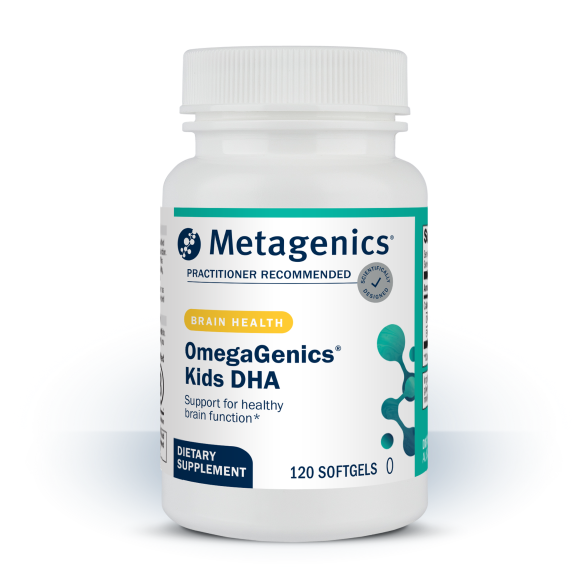
Daily kids multivitamin with phytonutrients.
MetaKids® Multivitamin
3.2Comprehensive nutrition designed for kids’ unique nutritional needs.
MetaKids® Nutrition Powder
3.5For healthy bone and immune support.*
MetaKids® Vitamin D3
5.0


