Magnesium

You drink water throughout the day, but you still feel drained. Maybe your muscles tighten after a workout, you get headaches in the heat, or you feel depleted despite your best efforts to stay hydrated. In situations like these, many people start wondering whether they're getting enough electrolytes, including magnesium.
Magnesium is one of several electrolytes involved in hydration. Water provides the fluid, while sodium, potassium, magnesium, and other electrolytes help your body regulate and use it.
What Magnesium Does for Hydration
First, an important distinction: magnesium doesn't hydrate you by itself. A capsule can't replace fluid lost through sweat, vomiting, diarrhea, or simply not drinking enough.
Magnesium's role is less about supplying fluid and more about supporting the processes that help your body function normally when fluid and electrolytes are available. It helps regulate the movement of minerals across cell membranes and acts as a cofactor in hundreds of enzymatic reactions throughout the body.¹
Because magnesium is involved in muscle function, nerve signaling, and cellular energy production, maintaining adequate magnesium status supports many of the systems that depend on proper fluid and electrolyte balance.
Magnesium vs. Sodium and Potassium
Sodium and potassium receive the most attention in hydration products because they play a more direct role in controlling fluid movement and retention.
Electrolyte | main hydration role | When it matters most |
Sodium | Maintains fluid volume outside cells and replaces the primary electrolyte lost in sweat | Heavy sweating, prolonged exercise, heat, vomiting, and diarrhea |
Potassium | Helps maintain fluid inside cells and supports muscle and nerve function | Daily fluid balance and recovery |
Magnesium | Supports electrolyte balance and the movement of minerals across cell membranes | Low intake, repeated sweat losses, muscle symptoms, or broader electrolyte imbalance |
While sodium and potassium are typically the primary focus during rehydration, magnesium can become more relevant when dietary intake is low or when electrolyte losses occur repeatedly over time. For most people, magnesium is best viewed as part of an overall electrolyte strategy rather than a stand-alone hydration solution.
A balanced diet usually provides the magnesium needed to support normal fluid and electrolyte balance. In situations like prolonged exercise, frequent sweating, travel, heat exposure, or illness, a product that provides fluid along with multiple electrolytes may help replace what has been lost.
Could Magnesium Be Affecting Your Hydration?
There is no single symptom that proves you need magnesium. Fatigue, weakness, headache, and muscle cramps can also result from dehydration, low sodium, poor sleep, under-fueling, medication effects, or overtraining. Low magnesium may be worth considering when several of these signs occur together:
Muscle contractions, twitching, or cramps
Ongoing fatigue or weakness
Nausea or low appetite
Numbness or tingling
Poor recovery after repeated, strenuous exercise
Symptoms that continue after fluid and sodium intake improve
Risk may be higher with chronic diarrhea, conditions that reduce nutrient absorption, type 2 diabetes, heavy alcohol intake, or long-term use of certain diuretics and proton pump inhibitors.¹
Muscle cramps are sometimes associated with low magnesium intake, particularly when they occur alongside other signs listed above.1 While cramps can have many causes, maintaining adequate magnesium intake is one way to support overall electrolyte balance and normal muscle function.
Magnesium for Hydration: Which Form Is Best?
The best form depends on your individual needs and tolerance. When choosing a magnesium supplement, look for forms that are well absorbed and easy to take consistently.3
Magnesium Citrate
Magnesium citrate is a well-absorbed form commonly used to support daily magnesium intake. It dissolves readily and has been widely studied in magnesium supplementation. Some people may notice looser stools at higher doses.

Magnesium Citrate
Supports healthy muscle function.*
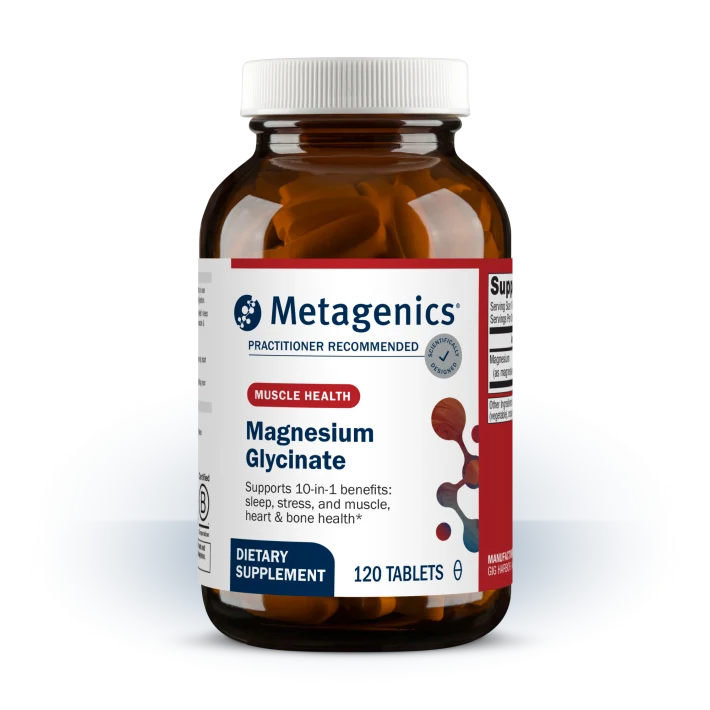
Magnesium Glycinate (Bisglycinate)
Magnesium glycinate combines magnesium with the amino acid glycine. It is often chosen for its good gastrointestinal tolerance and is a practical option for people who want to increase magnesium intake without digestive discomfort.

Magnesium Glycinate
Highly absorbable magnesium supplement for muscle, nerve, sleep, & stress support.
Magnesium Aspartate
Magnesium aspartate is an organic magnesium salt that is generally well absorbed. It is commonly included in magnesium blends designed to help support overall magnesium status.
Magnesium Glycerophosphate
Magnesium glycerophosphate is another well-tolerated form used in multi-form magnesium products. It is often selected to provide supplemental magnesium while minimizing gastrointestinal side effects.

MagActive® 3-in-1 Magnesium Chews
Support a calmer mind and muscles with three forms of magnesium*
Forms to Skip for Hydration
Not all magnesium supplements are absorbed or tolerated the same way. Magnesium oxide is commonly found in supplements but is generally absorbed less efficiently than several other forms.3 Magnesium sulfate, also known as Epsom salt, is most often used for bathing and can have a laxative effect when taken orally. For hydration support, choose a magnesium supplement that you tolerate well and can take consistently.
If hydration is your primary goal, 10 Types of Water for Hydration explains how different water options compare.
How Much Magnesium Do You Need?
There's no official dose of magnesium specifically for hydration. Instead, aim to meet your overall daily magnesium needs, then add a multi-electrolyte product when your activity level, sweat losses, or health situation calls for one.
Adult women generally need 310 to 320 milligrams of magnesium per day. Adult men generally need 400 to 420 milligrams. These totals include food and supplements.¹ Good sources include pumpkin seeds, almonds, cashews, beans, leafy greens, whole grains, and fortified foods.
When using a supplement:
Count magnesium from all supplements, including multivitamins, sleep powders, and electrolyte mixes.
Follow the label instructions.
Start lower if you're sensitive to GI side effects.
Choose a product you can take consistently and tolerate well.
Don't exceed 350 milligrams per day from supplements unless your healthcare practitioner recommends it.
This limit doesn't include magnesium naturally found in food.¹
Some products combine magnesium with other electrolytes rather than providing large amounts of magnesium alone. Endura Electrolyte Powder, for example, provides 150 mg of magnesium bisglycinate along with sodium and potassium per packet. These combination products can be a practical option during exercise, prolonged activity, or hot weather when multiple electrolytes may be needed.
For more information about meeting your magnesium needs, read How Much Magnesium We Need and How to Get It and Benefits of Magnesium Supplements.
A few cautions, people with kidney disease should not begin magnesium supplements without medical guidance because the kidneys clear excess magnesium. Check with a healthcare practitioner if you are pregnant, take prescription medications, or have ongoing vomiting, diarrhea, weakness, heart rhythm changes, or suspected electrolyte imbalances.1
Magnesium in Everyday Life

Meeting your magnesium needs does not require a perfect diet or a complicated supplement routine. Many magnesium-rich foods, including nuts, seeds, legumes, whole grains, and leafy greens, can contribute meaningful amounts throughout the day. When those foods are not consumed regularly, a magnesium supplement may help fill the gap.
If you are physically active, spend time in hot weather, or experience frequent sweat losses, it may be worth paying attention to your overall fluid and electrolyte intake rather than focusing on magnesium alone. Products that combine magnesium with sodium and potassium can provide a convenient option when multiple electrolytes are needed.
If you're not sure where to start, ask yourself:
Do you regularly eat nuts, seeds, beans, whole grains, or leafy greens?
Do you rely on highly processed foods for most meals?
Do you frequently exercise, work outdoors, or sweat heavily?
Are you already getting magnesium from multivitamins, electrolyte powders, or other supplements?
Have your eating habits changed recently in a way that may reduce magnesium intake?
If several of these questions raise concerns, reviewing your dietary pattern and considering a magnesium-containing supplement may be a reasonable next step.
After Heat or Heavy Sweating
Sweat contains more than water.2 During prolonged exercise, outdoor work, or time spent in hot weather, a product that provides sodium along with other electrolytes, including magnesium, may help support replacement of what is lost through sweat.
Explore Metagenics protein and sports nutrition supplements for exercise-focused options.
After Vomiting or Diarrhea
This is not the time to rely on magnesium supplements for dehydration. An oral rehydration solution that provides water, sodium, and glucose is generally more appropriate, because those ingredients work together to improve fluid absorption.4 Magnesium citrate, oxide, or sulfate may worsen diarrhea in some people.3
Seek medical care for severe weakness, confusion, fainting, very little urination, blood in the stool or vomit, inability to keep fluids down, or symptoms that aren't improving.
When You Drink Water but Still Feel Off
Hydration involves more than fluid intake alone. Meals, overall diet quality, sweat losses, and electrolyte intake can all influence how you feel. If magnesium-rich foods such as nuts, seeds, legumes, whole grains, and leafy greens are rarely on your plate, a supplement may be considered.
Some people choose a standalone magnesium supplement for daily use, while others prefer products that combine magnesium with other electrolytes. Magnesium also appears in products designed for other goals.

For example, MagActive Magnesium Night Powder combines magnesium glycinate and citrate with sleep-supportive ingredients and is mixed with water. It is a nighttime magnesium product, not a complete rehydration formula. Learn more in MagActive Magnesium Night and Restful Sleep or browse sleep and magnesium supplements.

MagActive® Magnesium Night Powder
Melatonin-free magnesium powder with saffron for deeper, restful sleep*
The Bottom Line
Hydration starts with water, but electrolytes help complete the picture. As one of the body's key electrolytes, magnesium contributes to overall electrolyte balance and supports a well-rounded approach to hydration. Whether your goal is everyday wellness, exercise recovery, or simply meeting your daily needs, consistent magnesium intake from food, supplements, or both can be a practical addition to your routine.
These statements have not been evaluated by the Food and Drug Administration. This product is not intended to diagnose, treat, cure, or prevent any disease.
References:
National Institutes of Health Office of Dietary Supplements. Magnesium: Fact Sheet for Health Professionals. Updated January 6, 2026. Accessed July 17, 2026. https://ods.od.nih.gov/factsheets/Magnesium-HealthProfessional/
Baker LB, Wolfe AS. Physiological mechanisms determining eccrine sweat composition. Eur J Appl Physiol. 2020;120:719-752.
Pardo MR, Garicano Vilar E, San Mauro Martín I, Camina Martín MA. Bioavailability of magnesium food supplements: a systematic review. Nutrition. 2021;89:111294.
Cellucci MF, Agus MSD. Oral Rehydration Therapy. MSD Manual Professional Edition. Updated July 2025. Accessed 2026. https://www.msdmanuals.com/professional/pediatrics/dehydration-and-fluid-therapy-in-children/oral-rehydration-therapy

About the Author
Dr. Cassie Story
RDN
Registered Dietitian Nutritionist specializing in metabolic health, medical weight loss, and metabolic and bariatric surgery patient care. With over two decades of clinical and industry experience, she is a recognized expert, speaker, and published author in the field.
Magnesium For Hydration Supplements
Supports healthy muscle function.*
Magnesium Citrate
4.5Support a calmer mind and muscles with three forms of magnesium*
MagActive® 3-in-1 Magnesium Chews
4.1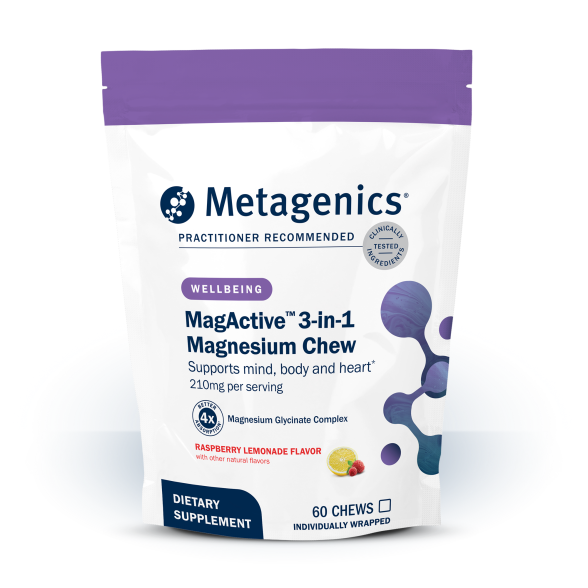
Magnesium powder to calm your mind, ease tension, and relax muscles.
MagActive® Magnesium Relax Powder
4.3Melatonin-free magnesium powder with saffron for deeper, restful sleep*
MagActive® Magnesium Night Powder
4.1Magnesium powder for muscle soreness, hydration, and recovery.
MagActive® Magnesium Muscle Powder
4.3